
Plants were here long before humans were. They’ve been around for around two billion years, with human life appearing only around 6 million years ago. They are the reason for human life, creating the very air we breath. We could not survive without them, yet as a society we abuse our co-inhabitants of Earth. We litter, we mercilessly tear them from their homes and discard them even if they are perfectly healthy and happy, and we use them for decoration without even thinking of them as a living, breathing creature. In taking care of a plant you must make sure it has everything it needs to grow happy and healthy. This includes the correct lighting, regular waterings, soil fertilization, and sometimes misting the plant for moisture. Neglecting any of these needs will cause the plant to begin to wilt and die. When one of your plants begins to wither, wilt, develop dead patches on the leaves, etc… you would probably be inclined to look up why it looks the way it does. When you look up “Why is my aloe plant dead at the tips?”, there are hundreds of plant care websites and forums that pop up with long lists of the cause of what each deformity is. It could be over watering, incorrect sunlight, or even pests that are to blame for your plants decay. No matter what the cause is though, it shows how fickle life is and that plants are real living creatures. Just like humans, if plants are not fed or sheltered properly they will show signs of decay. Filling your life with these beautiful, living organisms is gratifying on many different levels. You get the gratification of knowing that your loving care for your plant has enabled it to grow and blossom, and of watching something that you nurtured maturing into a more full and beautiful life form. You also get the gratification on giving a plant a loving home where you can have peace of mind that it will never die an unnessicary death. Not only do these beauties fill your home with joy, but they also purify your air which aids in stress and anxiety reduction by providing you with clean air. According to NBC News, “Extensive research by NASA has revealed that houseplants can remove up to 87 per cent of air toxin in 24 hours. “. With so many benefits to adding one of these little guys to your household and the price of plants being so cheap, who wouldn’t want to fill their home with plants? I moved into my first, and current, apartment about three months ago. When I first moved in most of the money I budgeted for household items went towards the necessities, but now I can’t seem to stop buying plants. The joy felt when you return home to the scent of clean air, and the sight of all of your babies thriving in their environment is indescribable. Below I’ll include some pictures of my babies, along with a list of their plant types, names, and care instructions. I hope you feel inspired to go out and find some plants of your own to give a good home!
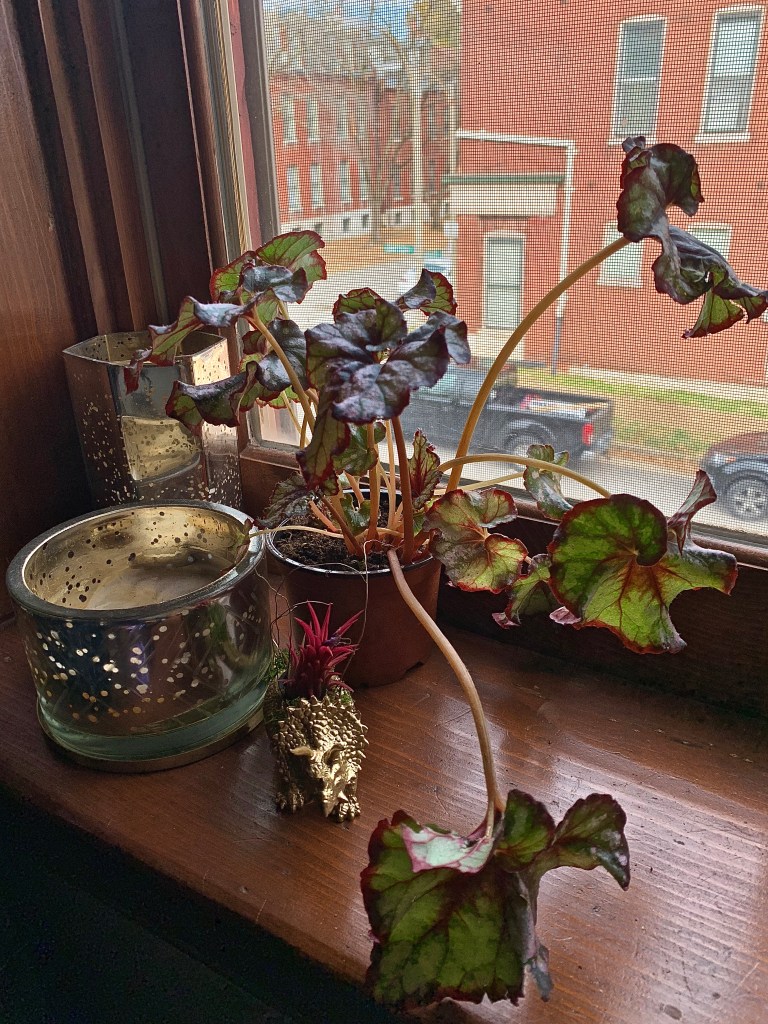
Begonia Red Ruby (Ella)- indirect sun, water like succulent
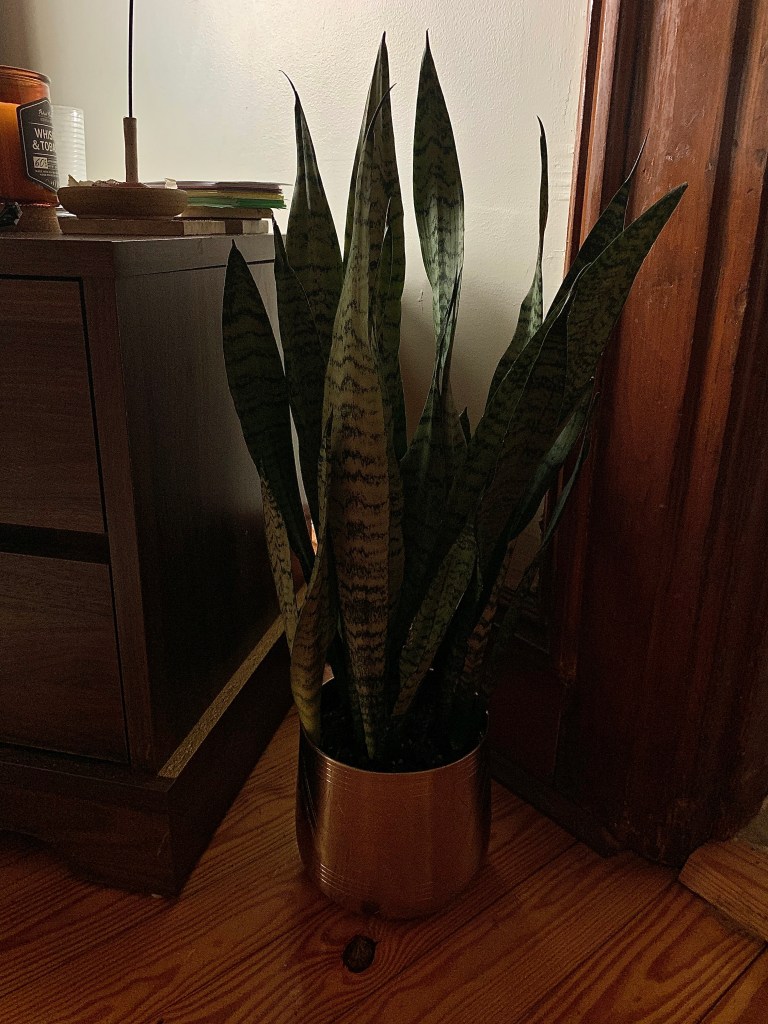
Snake Plant (Astrid)- tolerates most light, make sure soil is dry between waterings, water every 2-4 weeks, once every 4-6 weeks during winter
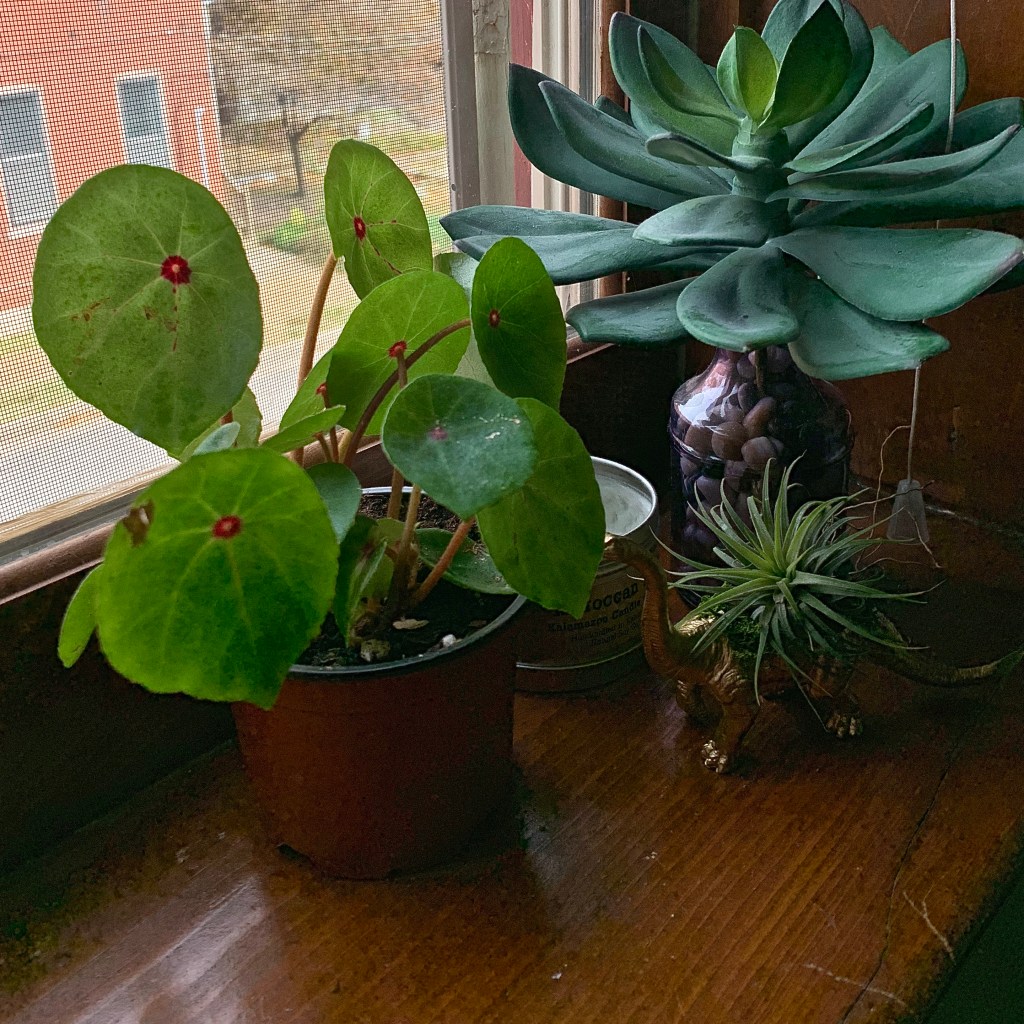
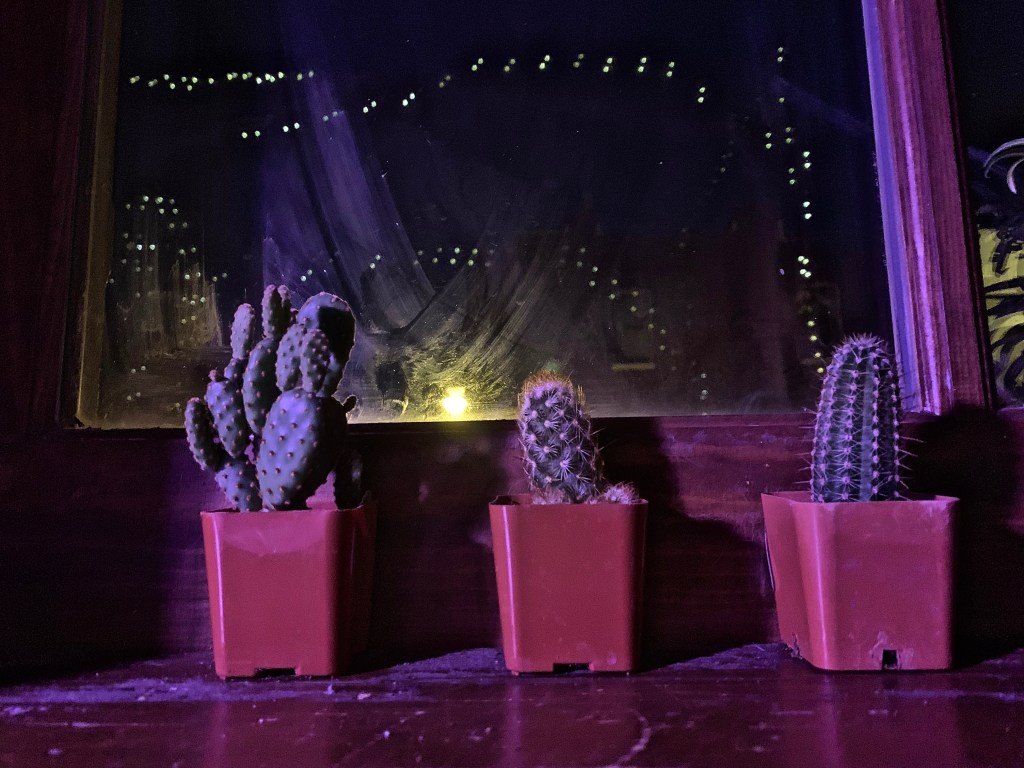
Succulents (Gloria, Sedona, Maury, Kevin)- full light, keep soil dry, water every 2 weeks
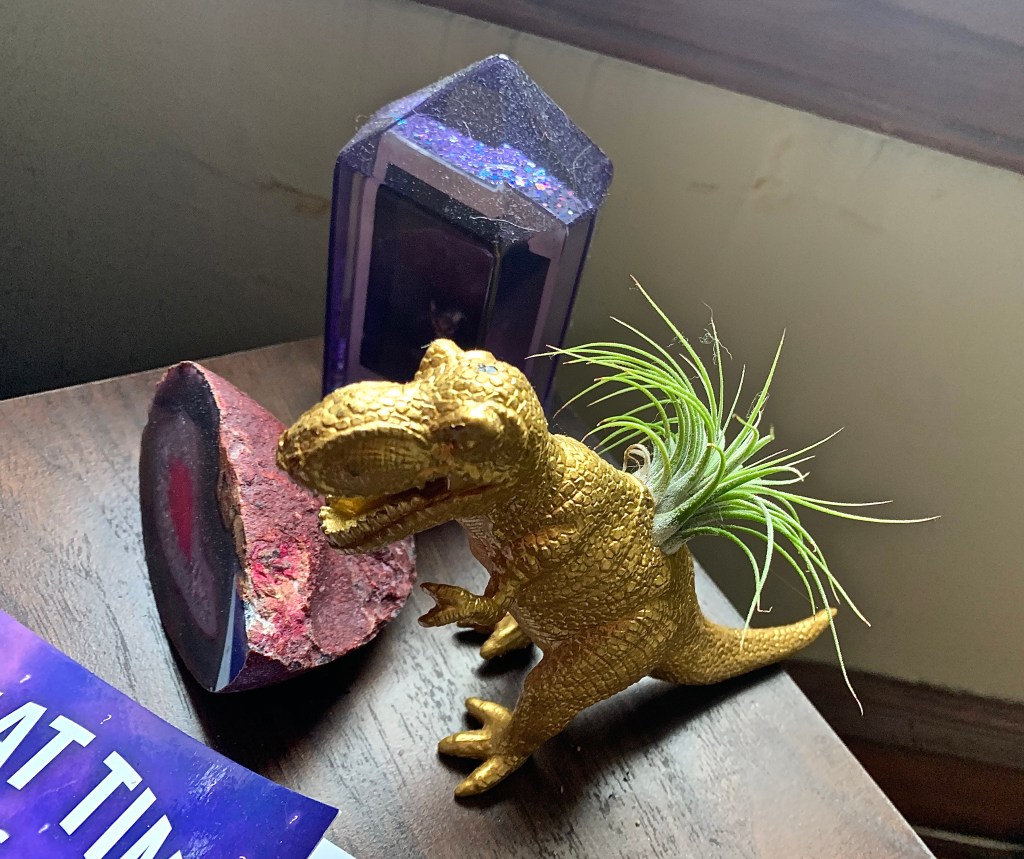
Air plants (Rex, Lana, Cera)- low light, spray with air plant food twice a week
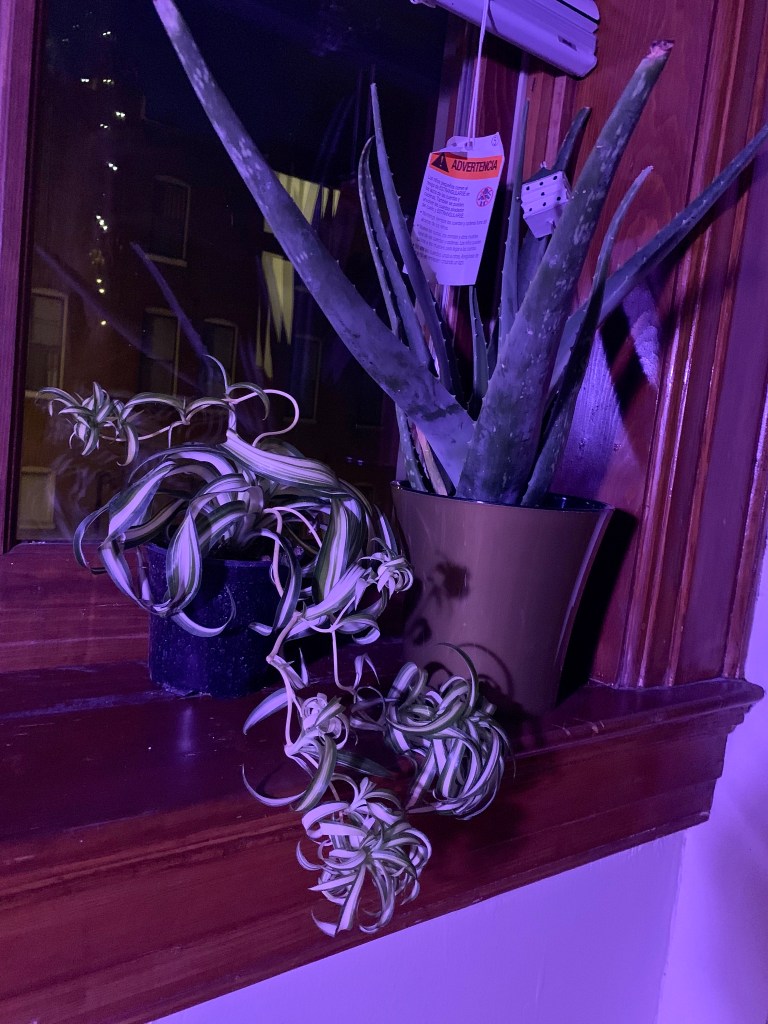
Aloe (Whitney)- full light, water every 2 week
Begonia Rex (Helen)- full to partial light, water when soil is dry, spray to keep moist
String of Bananas (Connie)- medium to high light, water every 2-3 weeks
Lipstick Hanging (Lorelai)- medium light, water every 1-2 weeks
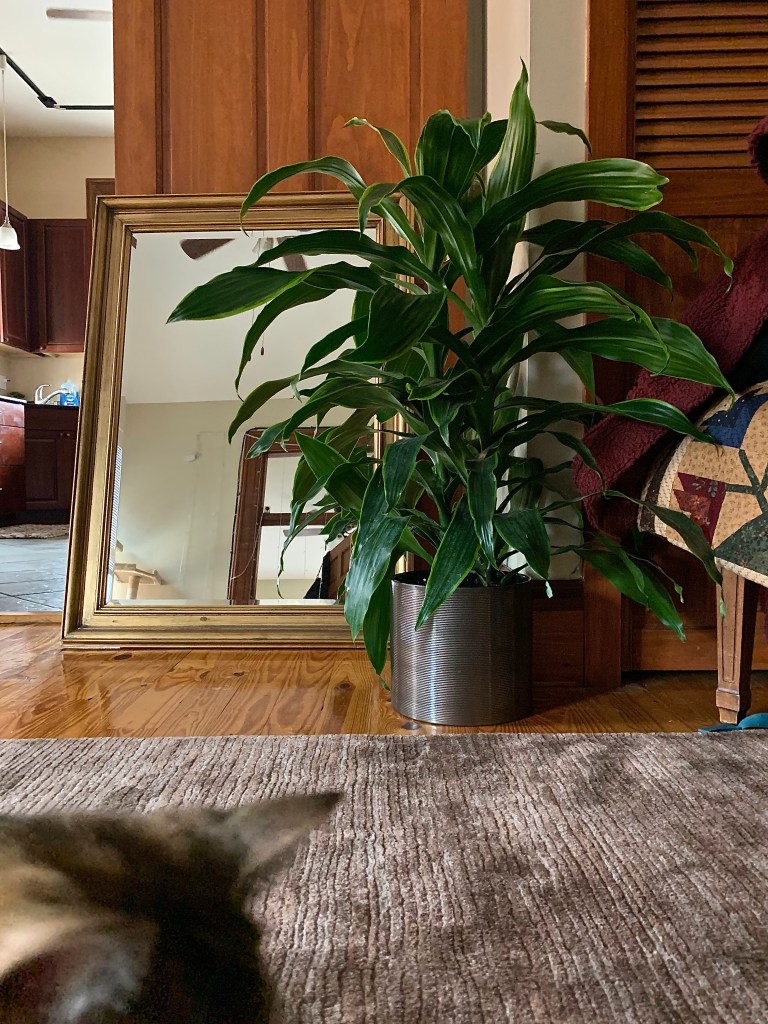
Dumb Cane (Carmen)- low light, water about 2 cups every 2-3 weeks
Philodendron (Karen)- medium to low light, water about a half cup every 3-5 days or when soil is completely dry





 The Pursuit Of Happiness